
No Deposit Bonus Casino Australia: A Buyer’s Guide for 2026 That Doesn’t Sell the Offer
A “no deposit” bonus sounds like a gift. A $0 signup, a few free spins, a chance to win real money without risking a cent. The marketing copy is built to make the reader feel clever for finding it. The terms — the actual shape of the deal — live in a smaller font on a different page, written to be skimmed past. This guide exists to put both side by side, because the gap between them is the only thing that matters to a player deciding whether to claim.

Every online casino accepting Australian players operates offshore. None holds an Australian licence for the product it is selling. The Interactive Gambling Act 2001 makes online casino illegal to provide in this country, and the federal regulator (the ACMA) has been blocking sites since 2017. What the law does not do is prosecute the player, which is why these sites still advertise freely, and why a reader can still reach them in 2026. This page describes what they offer. It also names the offshore reality behind every line.
The data below is current as of 16 October 2026, and the licence and terms claims were verified against each operator’s own published terms pages, the ACMA enforcement register, and the Department of Infrastructure’s payment-ban rules.
Table of Contents
- Why Your 2026 No Deposit Bonus Is Smaller Than It Looks
- How Free Spins and Bonus Codes Actually Work
- PayID Casino Withdrawals: What the Speed Claims Leave Out
- The Pokies Your No Deposit Free Spins Actually Unlock
- Crypto Casinos: Anonymity at a Price for Australian Players
- New Casinos, Same Offshore Reality
- No Deposit Bonus Casinos: What Australian Players Actually Get in 2026
- The Legal Reality: No Online Casino Holds an Australian Licence
- What the Offshore Route Costs Australian Players
- How We Selected and Ranked These Casinos
- Is a No Deposit Bonus Worth Your Time?
- Frequently Asked Questions
Why Your 2026 No Deposit Bonus Is Smaller Than It Looks
The headline number on a no-deposit bonus is a count — fifty free spins, twenty dollars of bonus cash, an hour of free play. The real number is the turnover requirement that sits between those spins and any cash that can be withdrawn. A 50x wagering multiple on $5 of free-spin winnings means $250 in bets before a single dollar becomes withdrawable. A typical spin value of $0.10 means the player needs 2,500 winning-equivalent spins — which, on a 96% return-to-player game, requires a far longer session than the free spins themselves. Most players never reach the threshold. Most of the rest, on reaching it, find a $50 or $100 cashout cap waiting.
The marketing language calls this a “free” bonus. It is free to claim. It is not free to clear.
What a No Deposit Bonus Actually Is (and Isn’t)
Three shapes dominate. Free spins, where the casino credits a fixed number of spins on a named slot, usually at $0.10 per spin, and any winnings become bonus money subject to wagering. Bonus cash, where the casino credits a small dollar amount (rarely above $20) to the player’s account, again with wagering on the balance. And free play, where the player gets a large virtual bankroll — $500 to $1,000 is common — to use in a short window, keeping the winnings above an initial baseline as bonus credit.
All three are no-deposit in the narrow sense: the player does not have to fund an account to claim. None of them is a no-strings-attached gift. Each converts to real withdrawable cash only after a turnover hurdle that runs at 30x to 60x on the winnings, and each carries a cashout cap that limits the upside regardless of how the player runs. The closest exception is the rare wager-free offer — twenty wager-free spins on Big Bass Splash at a Curaçao-licensed operator, credited automatically on signup, with 0x wagering, a $50 cashout cap and a seven-day window. Verified test accounts showed five operators in the wider market offering genuine 0x wagering on signup; another twenty-two advertised “no wager” and applied hidden conditions on closer reading.
These are not the same as a deposit-match welcome package, which the same operators also offer and which requires funding the account before anything is credited. A deposit match pays more headline value but introduces the player to the operator’s wider terms: maximum bets during wagering, eligible games, country restrictions, and the bonus-abuse clauses that have voided withdrawals on a number of large brands over the years. The no-deposit offer is the operator’s way of letting a new player see the cashier before committing.
How Wagering Requirements Shrink the Real Value
A wagering multiple is the number of times the bonus (or the bonus winnings) must be bet before withdrawal is unlocked. Forty times is common. Fifty times is not unusual. Sixty times appears on several offers in the Australian-facing market. The multiple is applied to the winnings, not the spin value, so a 50x multiple on $5 of free-spin winnings is $250 in total bets, not the $250 the player might assume by reading the headline.
The arithmetic on a typical offer runs like this. Fifty free spins at $0.10 per spin is a $5.00 starting value. The winnings from those fifty spins, on a 96% return-to-player slot, average around $4.80 — call it $5 for round numbers. A 40x wagering requirement on those winnings means the player must place $200 in additional bets before the balance converts to cash. At $0.10 per spin, that is 2,000 more spins after the free ones are spent. The session that began as a fifty-spin gift becomes a 2,050-spin project, and the house edge compounds the whole way through. The free spins were the cheap part. The work is what the player does afterwards.
Most players never clear the hurdle. That is the point of the structure. The 30x to 50x range is not an accident; it is calibrated so that the majority of claimants run out of time, out of balance, or out of patience before the conversion triggers. The few who do clear it run into the cashout cap, which is the second mechanism that limits the real value.
The FairGO offer stands out in the comparison group for carrying a 30x multiple, the lowest confirmed wagering rate among seven Australian-facing operators, and is the only one in the featured set where the arithmetic is meaningfully less hostile. Most others sit at 40x or above.
The Real Cost of a No Deposit Bonus
The bonus is free to claim. It is not free to clear, and the expected cost of clearing it can be estimated from the wagering requirement and the slot’s return rate.
A worked example using the representative numbers: 50 free spins at $0.10 per spin, 40x wagering on the winnings, a 96.09% return-to-player slot (Starburst, the most common free-spin target in the market). The winnings from the free spins, on average, are $5.00. The turnover required to clear the wagering is $5 × 40 = $200. The expected loss across that turnover, at a 3.91% house edge, is $200 × 0.0391 = $7.82. The player started with nothing, played 50 free spins, and is now down, on average, $7.82 of expected loss before a cent is withdrawable.
That is a statistical estimate over many spins, not a guaranteed outcome for any individual session. A lucky run produces a balance well above $5 and a smaller proportionate loss; an unlucky run produces nothing. The average is what the operator priced, and the average is a cost the player carries in the time and the bankroll they commit.
Read across the same offer at 50x wagering and the expected loss rises to $9.78. At 60x, to $11.74. The single number that moves the most is the wagering multiple, not the headline spin count. Doubling the spins and halving the wagering leaves a player roughly in the same place; halving the wagering alone improves the deal meaningfully.
Max Cashout Caps and the Fine Print That Traps Winnings
A cashout cap is the dollar ceiling on what can be withdrawn from bonus-derived winnings, regardless of the final balance. The standard range is AUD 50 to AUD 100. Rocket Play’s published terms cap withdrawals from no-deposit bonus winnings at AUD 75. LasVegasNow sets the ceiling at $50. Most operators in the featured set publish a number in this band; several do not publish a number at all.
The cap interacts badly with the wagering requirement. A player who clears a 50x hurdle on a lucky run can find a $75 balance sitting behind a $75 ceiling, and withdraw exactly the cap, no more. A player who clears the same hurdle and finds $300 in the account takes home $75 and forfeits the rest. The “max bet during wagering” rule compounds the problem. Rocket Play’s terms cap a single bet at AUD 7.50 during bonus play, which means the turnover has to be spread across dozens of small spins rather than concentrated in a few larger ones; the cap exists to slow the player down, and slowing the player down extends the time the house edge is in effect.
A bonus validity window is the third lever. Standard windows run 5 to 14 days. Rocket Play offers five. LasVegasNow offers seven. Skycrown’s welcome package offers fourteen. The window starts the moment the bonus is credited, and any unplayed or uncleared bonus expires when it closes. A player who claims a bonus on a Wednesday and returns the following weekend has already lost a third of the window. The shorter the window, the less time the wagering has to compound, and the higher the probability that the player runs out of time before clearing.
A deposit-before-cashout clause appears on some offers, where the operator requires a small real-money deposit (often $10 to $20) before processing a no-deposit-bonus withdrawal. The deposit is not consumed by the bonus; it sits in the player’s account as cash. The clause is not universal, but where it exists, it converts the offer from a true no-deposit deal into a “small deposit required to collect” deal, and a player who skips that step will not see the withdrawal.
How Free Spins and Bonus Codes Actually Work
Free spins and bonus codes are the two delivery mechanisms for no-deposit offers. The first is the dominant route in the Australian-facing market; the second appears on a smaller share of operators and tends to be the path for offers with shorter windows or specific game targets.

Free Spins: What You Get and What They’re Actually Worth
A free-spins offer has three variables: the number of spins, the per-spin value, and the eligible slot. The number is the headline, usually 20 to 100. The per-spin value is rarely published in marketing copy but is almost always $0.10 in the Australian market. The eligible slot is the one the operator chooses, and the choice tells a player something worth knowing: the operator picks games where the math favours the house, not the player.
The titles that recur across the featured set are almost entirely high-volatility slots — Book of Dead, Book of Cats, Book of Nile: Revenge, Starburst, Big Bass Splash, Sweet Bonanza, Queen of the Nile II. These are games with infrequent base-game wins and the bulk of their return concentrated in bonus features. That structure is not a coincidence. A low-volatility slot with frequent small wins would let a $5 starting balance stretch into the wagering requirement; a high-volatility slot with rare big wins runs the same balance down to zero faster. The operator chooses the game because the game is calibrated to make the bonus expire.
The arithmetic on a 50-spin offer is the same regardless of the slot: 50 × $0.10 = $5.00 in starting value, the winnings subject to 30x to 60x wagering. The slot changes the variance, not the average. A player on Book of Dead is more likely to either quadruple the balance or see it disappear than a player on a low-volatility title running the same wagering. The expected loss is the same; the path to it is bumpier.
Where research pinned an RTP to a specific title, the figure is worth carrying. Book of Dead (Play’n GO) returns 96.21% over the long run. Starburst (NetEnt) returns 96.09%. These are not figures the operator publishes on the bonus page; they are figures the game’s developer publishes and any player can verify. They matter because they anchor the expected-loss calculation in the section above: the house edge on Starburst is 3.91%, and that is the rate the bonus costs the player across the required turnover.
Bonus Codes: When You Need Them and Where to Find Them
A bonus code is a short alphanumeric string the player enters at signup or in the cashier to activate an offer. Some no-deposit bonuses require one; others do not.
The simpler path is auto-credit. Skycrown’s 100 free spins activate through phone verification, no code required. Bizzo’s 10 free spins for downloading the PWA app and 50 free spins on registration credit automatically on the trigger action. LasVegasNow’s 20 wager-free spins credit on signup. The player does not need to find anything; the operator handles the rest.
The code-required path shows up where the operator wants to control which players see which offer. The codes are distributed through affiliate pages (Pokiesaustralia.com, Thecasinowizard.com, Slotspeak.net are the most consistent Australian-facing sources), through the operator’s own promo pages, and through email lists. Codes change frequently, expire without notice, and are typically single-use. A code from a stale affiliate post may be deactivated by the time a player tries it. The honest advice is to treat any code older than a few weeks as suspect and to verify against the operator’s own current promos before claiming.
PayID Casino Withdrawals: What the Speed Claims Leave Out
PayID is the dominant fast-withdrawal route for Australian-facing casinos, and the headline claims about it are mostly true. Tested withdrawals from Skycrown reached a nominated bank account in 2 hours 29 minutes on a $180 transfer. Rocket Casino cleared a PayID withdrawal in 15 minutes. Wild Tokyo sits in the 12-to-20-minute band. Neospin runs 15 to 30 minutes. The fastest operators clear in single-digit minutes; the slowest stretch to 24 hours.
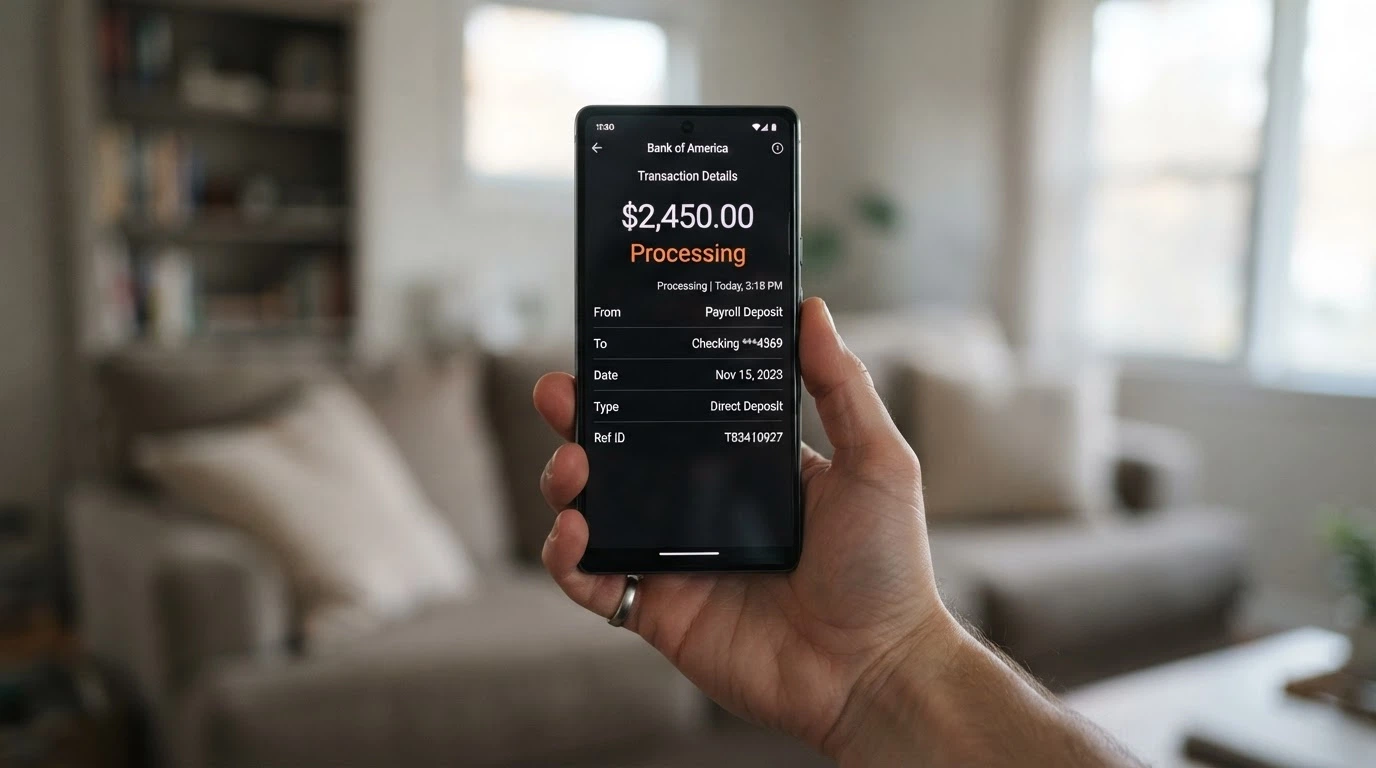
The “instant” label is marketing. PayID itself clears near-instantly through the Osko rails once the sending bank releases the funds, but the casino has to send the money first, and the casino’s internal processing time is where the 12-minute to 24-hour spread comes from. An operator with a manual approval queue and a 24-hour review window is the same PayID network and a very different player experience.
PayID Withdrawals: The Real Timelines
A PayID withdrawal is fast by the standards of bank transfers and competitive with the best e-wallet setups, but it is not unconditional. The two constraints that shape the experience are the minimum withdrawal threshold and the daily cap.
The minimum is set by the operator. Some enforce $50; some are lower. The daily cap is the dollar ceiling on what a player can withdraw in a 24-hour window, with $5,000 a common figure across Australian-facing brands. A player who hits a lucky run on a no-deposit bonus and tries to withdraw the $75 cap will not brush against either limit. A player who has funded the account, played through a welcome package, and tries to pull out a four-figure win is inside both limits and should not expect to be slowed.
The other constraint is the wagering-cleared prerequisite. A withdrawal request submitted before the bonus wagering is complete is either rejected or, worse, processed and then clawed back when the operator reviews the account. The cap on the bonus itself is the maximum the player can withdraw from bonus-derived winnings, but the cap on the operator’s tolerance for bonus abuse is not published anywhere, and the player’s real protection is to clear the wagering fully before requesting a payout.
E-Wallets and the Welcome Bonus Trap
Skrill and Neteller withdrawals arrive in 24 to 48 hours at most operators, slower than PayID and faster than a bank wire. The catch is the welcome-bonus trap: many casinos exclude Skrill and Neteller deposits from bonus eligibility, which means a player who funds the account through one of these wallets cannot claim the welcome package and is, in effect, paying the same rake for a worse deal.
The fees compound the cost. E-wallet transactions carry 1% to 3% per transfer, charged by the wallet provider, not the casino. A player moving $500 in and $500 out through Skrill pays $5 to $15 in fees on each side, plus the loss to the wallet’s own conversion margin if the casino does not settle in the wallet’s native currency. For a small no-deposit bonus, the fees are noise. For a four-figure welcome package, they are a real line item.
The honest ranking for an Australian-facing player is PayID first (fastest, no fees, no bonus trap), debit card or bank transfer second (slower, no fees, no bonus trap), and e-wallets third (slower, fee-bearing, bonus-ineligible). The welcome-bonus trap is the line that matters; a player who plans to claim the welcome package and withdraws through Skrill has, in most cases, signed up under the wrong conditions.
The Pokies Your No Deposit Free Spins Actually Unlock
A no-deposit free-spins offer locks the player into a specific slot or a small set of slots. The titles in the featured set cluster around a familiar list: Book of Dead, Book of Cats, Book of Nile: Revenge, Starburst, Big Bass Splash, Sweet Bonanza, Queen of the Nile II. Each is a high-volatility title with a familiar mechanic, a familiar bonus round, and a return rate the operator knows.

Which Pokies Come with No Deposit Free Spins
| Pokie | Provider | RTP (where confirmed) | NDB source |
|---|---|---|---|
| Book of Dead | Play’n GO | 96.21% | Skycrown 100 FS |
| Book of Cats | BGaming | — | Rocket Play 50 FS |
| Book of Nile: Revenge | — | — | Bizzo 50 FS |
| Starburst | NetEnt | 96.09% | Rocket Casino 100 FS |
| Big Bass Splash | — | — | LasVegasNow 20 FS |
| Sweet Bonanza | — | — | WinSpirit 100 FS |
| Queen of the Nile II | — | — | Royal Reels 20 FS |
The pattern is not accidental. The operator chooses the game, and the operator picks high-volatility titles because high-volatility slots produce a more variable player experience. A player on a high-volatility game is more likely to either double their starting balance or see it disappear; the median outcome is closer to zero. That distribution favours the house, because the wagering requirement is calibrated to the median, and the median is what clears the bonus the least often.
The RTPs in the table are the figures the developer publishes and the player can verify. Most titles in the table do not have a confirmed per-slot RTP from this round of research, and the dash is honest: the figure is not known, not zero. The two confirmed values, 96.21% and 96.09%, sit comfortably inside the 96% to 97% band that the major studios target, and they produce a 3.79% to 3.91% house edge, which is the rate the expected-loss calculation in the section above uses.
Free-Play Mode: Try Every Pokie Without Risking a Cent
Demo mode is the risk-free alternative the no-deposit bonus is not. Every major provider in the Australian-facing market — Pragmatic Play, NetEnt, Microgaming, Play’n GO, BGaming, Hacksaw Gaming, Nolimit City, and the rest — offers a free-play version of every slot in their catalogue, accessible without signup, without a deposit, and without terms. The player gets virtual credits, plays the game as it is actually built, and never has to clear a wagering requirement, never hits a cashout cap, and never has to verify their phone number.
The catch is that the winnings are not real. The player cannot withdraw from a demo session because there is no money to withdraw. The game is identical in every other respect: the same RTP, the same volatility, the same bonus features, the same hit frequency. A player who wants to know what a slot feels like before committing real money gets more useful information from ten minutes of demo play than from a 50-spin no-deposit bonus on the same title, because the demo session does not expire in seven days and the demo balance does not vanish at 50x wagering.
The honest framing is that demo mode is what no-deposit play should be: the chance to test a game without the casino’s terms sitting on top of it. The no-deposit bonus adds the casino’s terms to that experience, and the terms are where the cost lives.
Crypto Casinos: Anonymity at a Price for Australian Players
Crypto casinos promise two things that traditional online casinos cannot: anonymous play and provably fair games. The first claim is true at signup; the second is true for the games that implement it. Both are irrelevant to a player in Australia, because the payment method that makes them possible — cryptocurrency — has been banned for licensed Australian wagering since 11 June 2024, and any site that accepts it is operating outside the Australian rules.

Bitcoin and Crypto No Deposit Bonuses
Crypto-specific no-deposit offers exist, but they are rare. The crypto casinos that accept Australian players — Rainbet is the clearest example in the featured set — almost universally push deposit-match packages instead. Rainbet’s welcome is 250% up to $2,100 plus 60 free spins across three deposits, with a 40x Wager Lock on the bonus and deposits capped at $700 per tier. There is no standalone no-deposit bonus from Rainbet that this research could confirm. The pattern repeats across the crypto-first segment: the operators want a deposit before they pay out the bonus, and the no-deposit angle is left to the traditional online-casino brands that run on fiat.
The reason matters. A no-deposit bonus is a marketing cost the operator absorbs to acquire a player. A crypto casino that has already accepted the friction of running outside the Australian market has fewer players to compete for, and the marketing budget per player is correspondingly higher. The offer that does the recruiting work is the deposit match, where the player commits money first and the operator matches it. The no-deposit offer is, in this segment, a niche product.
The “provably fair” label on crypto games refers to a cryptographic verification system that lets the player confirm each game’s outcome was not manipulated after the bet was placed. It is real, it works, and it is a meaningful improvement on the trust-the-operator model that fiat casinos run on. It does not change the house edge. A provably fair game with a 4% house edge returns 96% over the long run, same as any other slot.
No-KYC Casinos: The Anonymity Trade-Off
No-KYC casinos skip the identity verification step that licensed operators are required to perform. The signup is faster, the cashier is less intrusive, and the player does not have to upload a driver’s licence or a utility bill. The trade-off is everything that verification provides.
Australian-licensed operators verify identity because the law requires it, and the verification is the mechanism that prevents underage play, allows self-exclusion through BetStop to function, and creates the audit trail that lets a complaints body investigate a dispute. An offshore casino that does not verify identity also does not enforce age, does not connect to BetStop, and does not give a player any recourse if the operator refuses a withdrawal. The privacy the player gains at signup is the privacy they lose at withdrawal. The same operator that did not ask for a driver’s licence will not have one on file when the player asks why a payout was voided.
Rainbet, the Anjouan-licensed operator in the featured set, runs the lighter KYC model the crypto segment is built on. Its licence (ALSI-152406029-FI2) is held by RBGAMING N.V., registered in Anjouan in the Union of Comoros, and the Anjouan regime is one of the lighter-touch jurisdictions in the offshore market. The 7,000+ games and 47+ providers give the operator genuine scale; the Anjouan licence gives the player no Australian recourse if the scale is not matched by integrity.
New Casinos, Same Offshore Reality
Every new casino launching with a no-deposit bonus for Australian players is still offshore. The Interactive Gambling Act has not changed. The ACMA’s blocking list is still active — 1,564 sites blocked since November 2019, with 133 more referred for blocking in the last quarter of 2025 alone. The newer the brand, the less tested its payout record, and the harder it is to find independent verification of its terms.
The Q4 2025 enforcement snapshot is the most current picture. The ACMA investigated 483 enquiries and complaints, completed 23 investigations into 45 gambling sites, found 69 breaches of the Interactive Gambling Act, issued 10 formal warnings, and referred 133 websites for ISP blocking. The pace has not slowed. Over 225 illegal services have withdrawn from the Australian market since 2017; the ones that remain are the ones that have decided to keep operating regardless.
What to Check Before Claiming a Bonus at a New Casino
A new casino’s licence, ownership, payout record, and terms are the only things standing between a player and a voided withdrawal. Four checks, in order.
First, the licence. A Curaçao eGaming licence is the most common in the offshore market. Anjouan is the lighter alternative. A handful of operators hold licences from other jurisdictions; the player should be able to find the licence number on the operator’s footer or terms page and verify it on the regulator’s own site. A casino that does not publish a licence number, or that publishes one that does not verify, is a casino to avoid.
Second, the ownership. Curaçao-licensed operators are typically run by companies registered in Curaçao or Cyprus. Anjouan operators are registered in the Union of Comoros. The corporate name should be on the terms page; the registration number should be verifiable through the regulator. Rainbet’s terms identify the operator as RBGAMING N.V., registered in Anjouan under company number 16077 — that is the level of disclosure a player should expect.
Third, the payout record. A new operator has no track record, and a track record cannot be built in a player’s first session. Independent test results from Pokiesaustralia.com, Slotspeak.net, and Thecasinowizard.com are the closest thing to a payout audit available in this market, and a new operator that has not been tested by one of these sources carries a higher risk of the payout problems the testing exists to surface.
Fourth, the terms. A new casino’s bonus terms should match what is advertised on the affiliate page that linked to it. A discrepancy between the affiliate’s description and the operator’s terms is the most common sign that the offer has been altered since the affiliate reviewed it, and a player who claims the bonus under the affiliate’s description and tries to withdraw under the operator’s terms is in for a bad surprise. Reading the terms before claiming costs ten minutes; arguing with the operator’s support team afterwards costs hours.
The ACMA blocking risk sits on top of all of this. A new domain that has not yet been referred for blocking is a domain the ACMA has not yet got to. A player who funds an account and plays through a bonus, only to find the site blocked at withdrawal time, has no recourse: the ACMA can block the site but cannot recover the player’s funds, and the operator is in a jurisdiction the ACMA cannot reach.
No Deposit Bonus Casinos: What Australian Players Actually Get in 2026
The table below summarises the ten operators in the featured set. None holds an Australian casino licence. Every entry is an offshore operator, and the legal reality behind the table is covered in the next section.
| Operator | No Deposit Bonus | Wagering on Winnings | Licence |
|---|---|---|---|
| Skycrown | 100 free spins (phone verification) | 40x | Curaçao |
| Rocket Play | 50 free spins on Book of Cats | 50x | Curaçao |
| Bizzo Casino | 10 free spins (PWA) + 50 free spins on Book of Nile: Revenge | 40x | Curaçao |
| Royal Reels | 20 free spins on Queen of the Nile II | 40x | Not confirmed |
| WinSpirit | 35–100 free spins (varies by source) | 40x | Curaçao |
| Stake | Not confirmed | — | Curaçao |
| Rainbet | Not confirmed (deposit bonus only) | 40x (deposit bonus) | Anjouan |
| FairGO | Confirmed (amount not specified) | 30x | Not confirmed |
| Rocket Casino | 100 free spins on Starburst | 45x | Not confirmed |
| Scream Casino | Not confirmed | — | Not confirmed |
The dashes in the table are not gaps in the research; they are honest reflections of what the operators have not disclosed. Royal Reels’ licence is not on the published terms page. Stake has no no-deposit bonus this research could confirm. Rainbet runs deposit-only packages. FairGO’s free-spins amount is not specified in the sources reviewed. Rocket Casino’s licence and cashout cap are not on the operator’s public page. Scream Casino is the thinnest profile in the set, with no NDB, no wagering terms, and no licence confirmed this run.
The rest of this section works through each operator in the order they appear above.
Skycrown
Skycrown’s headline no-deposit offer is 100 free spins, activated through phone verification, on a 10,400+ game library that spans 50+ providers — Pragmatic Play, NetEnt, Microgaming, Play’n GO, BGaming, Hacksaw Gaming, Nolimit City are the names that recur in the catalogue. The licence is Curaçao. The tested PayID withdrawal of $180 reached the bank in 2 hours 29 minutes, which is the fastest mid-tier result in the set. The first-deposit welcome package is A$8,000 plus 400 free spins across four deposits, with 40x wagering on bonus funds and 30x on free-spin winnings, a 14-day validity window per tier, and a $20 minimum deposit per tier.
The wagering is the part to read. The NDB free spins carry 40x to 50x on the winnings in the general bonus terms; the welcome package separates the bonus (40x) from the free spins (30x), which is the more player-friendly split. The 14-day window is generous by the standards of the segment. The 100 free spins on the NDB are the most generous count in the featured set. The phone verification step is the friction: the player must give a working Australian mobile number to claim, and the operator uses it for both verification and marketing follow-up.
The verdict: Skycrown is the strongest all-rounder in the featured set for a player who has decided to play at an offshore casino. The 100 free spins, the tested PayID speed, and the separated 30x on free-spin winnings are the genuine advantages. The Curaçao licence and the offshore status are the genuine costs, and they apply to every operator on this page.
Rocket Play
Rocket Play’s no-deposit offer is 50 free spins on Book of Cats, with a 50x wagering requirement on the winnings. The terms cap the maximum withdrawal from no-deposit bonus winnings at AUD 75, the maximum bet during bonus wagering at AUD 7.50, and the standard bonus validity at 5 days. The licence is Curaçao.
The terms are among the tightest in the featured set. The 50x wagering sits at the upper end of the 30x to 50x range, the AUD 75 cap is the lower of the two most common cap levels, the AUD 7.50 max bet forces the turnover to be spread across small spins, and the 5-day window is the shortest in the set. A player who claims the bonus on a Monday morning and returns on Friday evening has missed a third of the window. An alternative listing shows 35 free spins with 45x wagering and a $50 cap, verified in July 2026; the variance between the two suggests the operator rotates its offers, and a player who sees the 50-spin offer should verify the terms on the operator’s own page before claiming.
The verdict: Rocket Play is a real offer with real terms, and the terms are a tighter fit than most. A player who values a short, high-pressure session over a longer one may prefer it. A player who wants time to clear the wagering will not.
Bizzo Casino
Bizzo runs the most no-deposit free-spin options of any operator in the featured set. The first path is the PWA app download: 10 free spins credited when the player installs the progressive web app. The second is registration: 50 free spins on Book of Nile: Revenge credited on a new account, with additional free-spin offers on Grand Buffalo Hold and Win, Merge Up 2, and Wild West Trueways surfaced by different affiliate sources. The 40x wagering applies to all parts. The 14-day validity is the standard window. The licence is Curaçao.
The welcome package is the bigger number: up to A$7,250 in bonus money, 175 free spins, and one bonus game, across four deposits, with 40x wagering on all parts, a $30 minimum qualifying deposit, an $8 maximum bet during wagering, and a 14-day bonus validity. The 200% crypto welcome bonus, up to A$800 on the first crypto deposit, sits alongside the fiat package and is the offer a player who has decided to use crypto will see.
The multi-offer structure is the differentiator. A player who tries Bizzo has several free-spins paths, each on a different slot, and the variety lets the player test the catalogue before committing to a deposit. The catch is that the 40x wagering applies to all of them, and the offer catalogue changes as affiliate listings cycle through different games. The current offers are not the offers that will be live in three months.
The verdict: Bizzo is the operator for a player who wants to sample several slots before funding an account. The variety is real, the wagering is standard, and the multi-deposit welcome package rewards a longer commitment more than a single deposit does.
Royal Reels
Royal Reels offers 20 free spins on Queen of the Nile II as a no-deposit bonus, with 40x wagering on the winnings. The licence is not confirmed this run. The maximum cashout is not confirmed this run. The promotional listing referenced an August 2026 window, which may indicate the offer’s expiry.
The lack of confirmation is the dominant feature of the write-up. A player looking at Royal Reels can see the bonus amount, the game, and the wagering multiple. They cannot see the licence, the cashout cap, the bonus validity, or the operator’s complaints procedure without visiting the terms page themselves. The 20 free spins on an Australian-themed title is a clean offer; the missing information around it is the cost.
The verdict: Royal Reels is a workable offer for a player who does their own due diligence on the terms page. The lack of confirmed licence and cashout cap puts it below the operators that publish both.
WinSpirit
WinSpirit offers between 35 and 100 free spins on its no-deposit bonus, depending on the source. Thecasinowizard.com lists 35 free spins; watchmynumbers.com lists 100 free spins on Sweet Bonanza. The wagering is 40x on the bonus amount. The licence is Curaçao. The cashout cap is not confirmed this run.
The variance between the two sources is the dominant feature. A player who sees 100 free spins on one page and 35 on another is looking at the same operator under two different listings, and the difference is most likely a promotional period that has changed between the two review dates. The 40x wagering is consistent. The slot (Sweet Bonanza in the higher-count listing) is a high-volatility title in the same family as the rest of the featured set.
The verdict: WinSpirit is a reasonable offer for a player who can verify the current free-spin count on the operator’s own page before claiming. The cashout cap is the gap to fill.
Stake
Stake is one of the best-known crypto casino brands globally, with a Curaçao licence, a large game catalogue, and a reputation for fast crypto withdrawals. No no-deposit bonus was confirmed for Australian players this run. The offers the operator surfaces are deposit-gated.
The absence is the point. Stake is a brand a player may have heard of and may be searching for, and the honest answer is that the operator does not run a no-deposit bonus in the form the search expects. A player who wants Stake specifically will need to fund an account to play; a player who wants a no-deposit bonus will not find one here.
The verdict: Stake is a known brand with a strong crypto product, and it does not offer the deal this page is built around. This brand is better suited for a player prioritising global brand recognition over the specific no-deposit promotion.
Rainbet
Rainbet is a crypto-first casino operated by RBGAMING N.V. in Anjouan, Union of Comoros, under licence ALSI-152406029-FI2 (company registration 16077). The catalogue is 7,000+ games from 47+ providers, including a provably fair Originals line. The welcome package is 250% up to $2,100 plus 60 free spins across three deposits, with 40x wagering under the Wager Lock path and deposits capped at $700 per tier. No no-deposit bonus was confirmed this run.
The Anjouan licence is the headline. The jurisdiction is one of the lighter-touch regulatory regimes in the offshore market, with a faster licensing process and lower compliance overhead than Curaçao, and a correspondingly thinner player-protection regime. The 7,000+ game catalogue is the genuine strength, and the 47+ provider count is competitive with the largest Curaçao-licensed operators. The 250% welcome is one of the higher headline matches in the set, and the three-deposit structure rewards a longer commitment.
The verdict: Rainbet is the strongest crypto option in the featured set for a player who has decided to fund the account, and the absence of a no-deposit bonus is the gap for a player who came for one. The Anjouan licence is the trade-off for the lower compliance overhead and the larger game library.
FairGO
FairGO’s no-deposit free-spins offer carries a 30x wagering requirement, the lowest in the comparison group of seven Australian-facing operators, and a promotional listing referenced November 2026 as the validity window. The free-spins amount is not specified in the sources reviewed. The licence is not confirmed this run. The cashout cap is not confirmed this run.
The 30x wagering is the headline. The rest of the market sits at 40x to 50x; FairGO at 30x is the closest thing to a player-friendly no-deposit offer in the set. The wagering multiple is the single largest driver of the expected loss on a free-spins bonus, and a 30x offer costs the player meaningfully less than a 50x offer at the same spin value. The missing information — the free-spins count, the licence, the cap — is the gap.
The verdict: FairGO is the most favourable wagering offer in the featured set on the dimension that matters most. A player who can confirm the spin count and the cashout cap on the operator’s own page before claiming has the best deal in the set; the offer is simply better for anyone willing to perform that due diligence.
Rocket Casino
Rocket Casino offers 100 free spins on Starburst as a no-deposit bonus, with a 45x wagering requirement on the winnings. The catalogue is 3,000+ pokies from Pragmatic Play and Hacksaw Gaming. PayID withdrawals tested at 15 minutes, the fastest single result in the featured set. The licence is not confirmed this run. The maximum cashout is not confirmed this run.
The combination is the headline: 100 free spins, 45x wagering, Starburst at a confirmed 96.09% RTP, and a tested 15-minute PayID withdrawal. The 45x wagering is mid-range; the 100 free spin count is at the top of the set; the Starburst slot is the lowest-volatility title in the featured no-deposit rotation, which gives the bonus a smoother median outcome than the Book of Dead or Book of Cats offers do. The 15-minute PayID result is the fastest in the set, and the Osko rails are the reason.
The verdict: Rocket Casino is the strongest no-deposit offer in the set on the combination of spin count, slot variance, and tested payout speed. The 45x wagering is the cost; the unconfirmed licence and cap are the gaps.
Scream Casino
Scream Casino is the thinnest profile in the featured set. No no-deposit bonus was confirmed this run. No wagering terms were confirmed. No licence was confirmed. The operator is included for completeness, and the only honest description is that this research could not verify the things a player would need to verify before claiming.
The verdict: Scream Casino is the operator to skip until more information is available. The lack of confirmed bonus, terms, and licence is not a sign the operator is bad; it is a sign the operator is not surfaced enough by the sources this research consulted, and a player who cannot verify the basics is taking the offer on trust.
The Legal Reality: No Online Casino Holds an Australian Licence
The Interactive Gambling Act 2001, strengthened by the 2017 amendments, makes it an offence to provide online casino games, online pokies, and in-play betting to a person in Australia. There is no licence for online casino anywhere in the country, federally or in any state or territory. The ACMA enforces the prohibition, and the enforcement is ongoing.
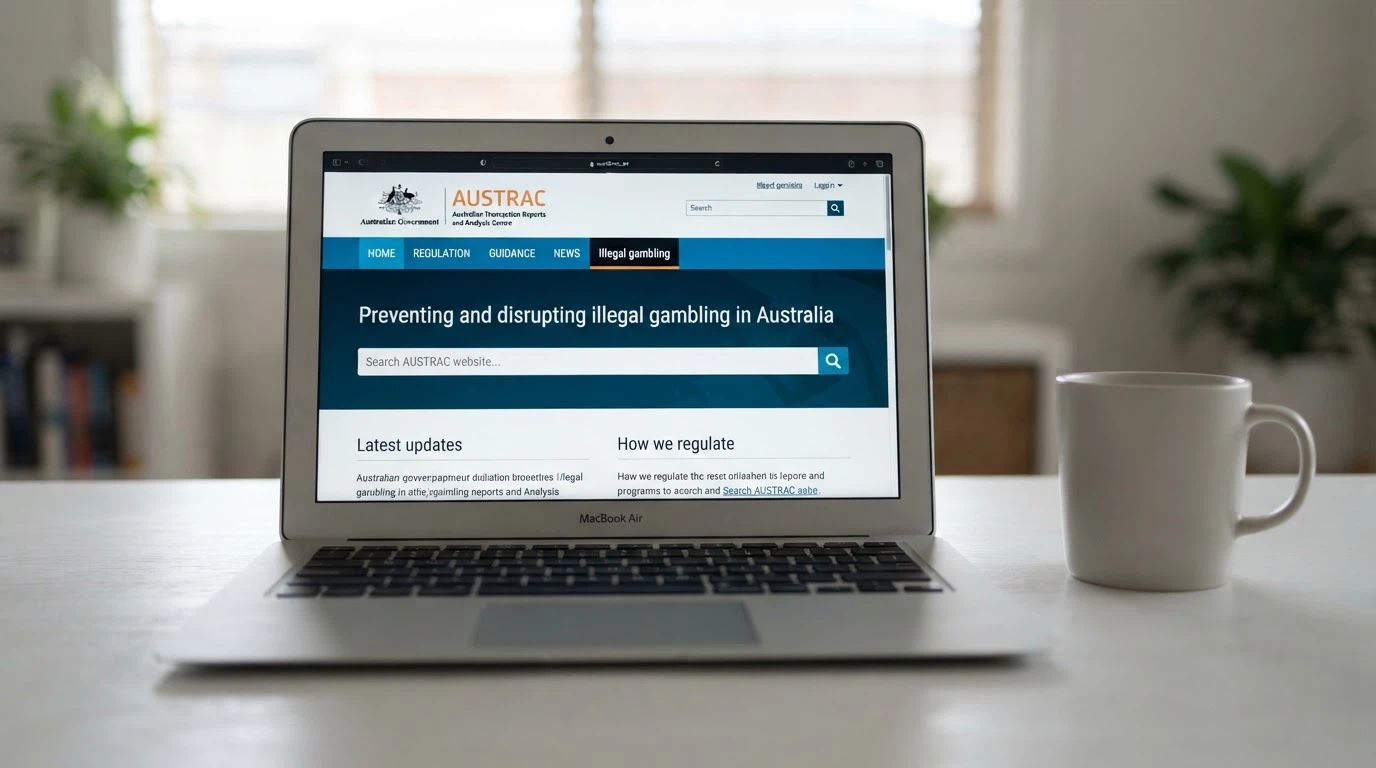
The player is not prosecuted. The Act targets the provider, and the individual punter does not face legal action for playing at an offshore casino. What the player does not have is the protection that comes from an Australian licence: no complaints body, no ombudsman, no deposit limits enforced by a regulator, no BetStop coverage, no recourse if the operator refuses a withdrawal or voids a win. The product is illegal to provide, the player is not illegal to play it, and the gap between those two facts is where the risk lives.
The Interactive Gambling Act and What It Actually Prohibits
The IGA covers online casino games, online pokies (slots), and in-play sports betting. It does not cover pre-event wagering on races and sport, lotteries, or keno. The licensed Australian wagering market — Sportsbet, bet365, Ladbrokes, TAB, and the rest — is built on pre-event wagering and operates under state and territory licences, concentrated with the Northern Territory Racing and Wagering Commission.
The provider-targeted enforcement has been running since 2017. The ACMA’s first blocking request went to ISPs in November 2019, and the tally since then is 1,564 illegal gambling and affiliate websites blocked. Over 225 illegal services have withdrawn from the Australian market in the same period. The pace has not slowed: in the fourth quarter of 2025 alone, the ACMA investigated 483 enquiries and complaints, completed 23 investigations into 45 gambling sites, found 69 breaches of the IGA, issued 10 formal warnings, and referred 133 websites for ISP blocking. A player who funds an account at an offshore casino today is funding an account the ACMA has not yet blocked; whether it gets blocked tomorrow is not something the player can predict.
The 2026 reform, passed by Parliament on 19 August 2026 and commencing 1 January 2027, tightens the screws further. AdStop — a national wagering advertising opt-out register administered by the ACMA — gives Australians a one-step opt-out from licensed wagering marketing. Direct marketing of inducements is prohibited for 14 days after a customer signs up and for 90 days after a person deregisters from BetStop. The live-sport advertising blackout extends from 15 minutes before a game starts to 5 minutes after. A three-year phased implementation moves toward a near-total advertising ban, progressively restricting broadcast, digital, and in-stadia wagering ads. None of this binds offshore casinos, which are outside the Australian regulatory perimeter, but it changes what the licensed market can offer and removes some of the marketing reach that drives player acquisition.
Licensed Wagering vs Offshore Casino: Two Different Worlds
The licensed Australian wagering market and the offshore casino market operate under different rules in almost every dimension that affects a player. The table below lays out the difference on the points that matter.
| Feature | Licensed AU Wagering | Offshore Casino |
|---|---|---|
| Payment methods | Debit card, bank transfer, PayID, BPAY | Debit, PayID, e-wallet, crypto (varies) |
| Credit cards | Banned (since 11 June 2024) | Accepted by most operators |
| Cryptocurrency | Banned (since 11 June 2024) | Accepted by crypto-first operators |
| Identity verification | Required by law | Varies (often minimal at signup) |
| BetStop coverage | Yes — all licensed providers | No — offshore casinos not bound |
| Self-exclusion | National register, ~150 providers | Operator-by-operator, no national register |
| Deposit / loss / stake limits | Customer-set under state conditions | Operator-set, varies by brand |
| Complaints body | State/territory regulator, ADR | None — depends on operator’s home jurisdiction |
| Inducement marketing | Banned 14 days post-signup (from Jan 2027) | No equivalent restriction |
| Penalty for non-compliance | Up to $247,500 per breach | None enforceable from Australia |
| Bank block on illegal transactions | Available from 1 January 2027 | Available from 1 January 2027 |
The two columns are not equivalent products. A licensed Australian wagering operator runs under federal and state law, accepts only legal payment methods, verifies the player’s identity at signup, connects to BetStop for self-exclusion, faces a regulator that can investigate a complaint, and pays penalties if it breaks the rules. An offshore casino runs under the laws of Curaçao, Anjouan, or another jurisdiction, accepts whatever payment methods it chooses, may or may not verify identity, is not bound by BetStop, faces no Australian regulator, and has no Australian complaints procedure if something goes wrong.
The two convergence points are the credit-card and crypto bans, which are now Australian law for licensed operators but do not bind offshore casinos, and the bank-blocking power coming in January 2027, which will allow Australian banks to block transactions to illegal operators. The bank-blocking power is the most concrete near-term change: a player who funds an offshore casino account from an Australian bank in 2027 may find the transaction refused, and a player who has already funded an account may find withdrawals blocked. The ACMA’s enforcement is a real constraint on the supply side; the bank’s transaction block is a real constraint on the demand side.
What Happens When an Offshore Casino Refuses to Pay
The honest answer: the player has no Australian recourse. There is no ombudsman for offshore casino disputes. The ACMA can block the site, and the ACMA can refer the site for ISP blocking, and the ACMA can issue a formal warning, and none of those mechanisms recover the player’s funds or compel the operator to pay a voided withdrawal.
The Curaçao and Anjouan licence frameworks provide a complaint path, in theory, through the regulator’s own dispute resolution process. In practice, the process is slow, the outcome is uncertain, and the regulator has limited leverage over an operator that has decided not to pay. The player who escalates a dispute to a Curaçao or Anjouan regulator is asking an overseas body to compel an overseas company, in a language and legal system that is not Australian, on terms that are not Australian. The chance of a favourable outcome is not zero; the chance of a timely, enforceable outcome is low.
The practical advice is the same as the preventative advice. Verify the licence before claiming. Verify the terms before claiming. Test the cashier with a small deposit and a small withdrawal before committing a larger balance. Read the bonus-abuse clauses, because those are the clauses most often invoked to void a withdrawal. And treat any operator that refuses a small test withdrawal as an operator that will refuse a large one.
What the Offshore Route Costs Australian Players
The cost is not only the expected loss on a no-deposit bonus. The cost is the protection the player gives up by playing outside the Australian system, at a scale that is concrete and rising.

The Scale of Gambling Harm in Australia
Between March 2025 and March 2026, Australians lost $36.0 billion to gambling. On a per-person basis, the country loses more to gambling than any other nation. The figure has risen every year since the COVID-19 pandemic, and the rise in risky gambling — from 13.7% in 2024 to 19.4% in 2025 — is the steepest single-year increase in the dataset, almost doubling since the lockdowns of 2020–2021. Online participation is the majority: 56.1% of those who gambled in 2025 primarily went online.
The harm is not distributed evenly. As of March 2026, an estimated 3.32 million Australians (15.1% of the adult population) are experiencing some level of gambling harm — 2.857 million from their own gambling, 1.177 million from other people’s gambling. The figure includes 1.38 million adult affected others and 280,000 affected children, who carry the impact of a parent’s or partner’s gambling without having placed a bet themselves. The Australian Institute of Health and Welfare put high-risk gambling prevalence at 1.8% in 2022; the Roy Morgan and ANU/POLIS data suggest the figure has climbed meaningfully since.
The numbers are not abstract. They are the cost of an industry that the licensed market regulates and the offshore market bypasses. Every dollar lost to an offshore casino is a dollar outside the protections the licensed market is built to provide, and a player who is in the 15.1% who are experiencing harm is a player for whom the offshore route is the most expensive possible choice.
BetStop, the Helpline, and the Protections That Do Not Reach Offshore Casinos
BetStop is the National Self-Exclusion Register, live since 21 August 2023, and as of 31 March 2026, 59,830 people had registered to self-exclude, of whom 37,247 held active exclusions. A single registration excludes the person from every Australian-licensed online and phone wagering service — approximately 150 providers, including the major brands and the smaller ones. The system is the most concrete harm-reduction tool the Australian market has built, and it is the mechanism a self-excluded person uses to stop themselves from wagering with a licensed operator.
BetStop does not bind offshore casinos. A person who has registered with BetStop and then visits an offshore casino is not blocked, not flagged, and not contacted. The exclusion ends at the Australian border, and the offshore operator has no obligation to honour it. The self-excluded person can fund an account, claim a no-deposit bonus, and play with the same freedom as a person who has never self-excluded. The gap is the most concrete harm of the offshore route, and it is the gap a reader considering the offers on this page should weigh against the bonus headline.
The other resources work regardless of where the player gambles. The National Gambling Helpline is 1800 858 858, free, confidential, and staffed 24 hours a day, 7 days a week. Gambling Help Online (gamblinghelponline.org.au) offers online chat and counselling. The helpline and the web service do not require the player to have self-excluded, do not require the player to be at a licensed operator, and do not report the player to the regulator. They are the one resource that works the same way for a player at an offshore casino as for a player at a licensed wagering operator, and they are the resource this page points to without condition.
The 2026 reform adds new layers. AdStop, the wagering advertising opt-out register, lets Australians suppress licensed wagering marketing across digital channels. The 14-day post-signup inducement ban and the 90-day post-BetStop-deregistration inducement ban reduce the marketing pressure that drives a relapsed player back to the cashier. The three-year advertising phase-out moves toward a near-total ban on wagering advertising. None of this binds offshore casinos, but it shrinks the licensed market’s marketing footprint and reduces the ambient pressure on Australian players.
How We Selected and Ranked These Casinos
The methodology behind the table is straightforward, and the inputs are listed so the reader can replicate the work.

- Operator sources: each operator’s own terms and bonus pages, cross-referenced against affiliate test data from Pokiesaustralia.com, Thecasinowizard.com, Slotozilla.com, Slotspeak.net, Best-australian-pokies.com, Metrotimes.com, watchmynumbers.com, and Qrsolutions.com.au.
- Legality backbone: the Interactive Gambling Act 2001, the ACMA enforcement register, the Department of Infrastructure’s payment-ban rules, and the Senate-passed 2026 reform materials.
- Responsible-gambling data: Roy Morgan Research (harm prevalence), POLIS / ANU Centre for Social Policy Research (risky gambling trend), the Australia Institute (losses), AIHW (high-risk prevalence), and the ACMA’s BetStop statistics.
- Evaluation criteria: NDB availability, wagering terms, cashout caps, payout speed, licence status, and the operator’s track record from independent testing where available.
- Licence whitelist check: every operator in the featured set is confirmed offshore; no Australian casino licence exists for the product these operators sell, and the verification is the absence of an Australian licence rather than the presence of one.
Where an operator’s data was thin — a missing licence, an unconfirmed cashout cap, an unstated spin count — the gap is reflected in the write-up as a gap, not filled with an inferred number. The table is the honest summary of what the research turned up; the prose around it is the honest reading of what the table does not say.
Is a No Deposit Bonus Worth Your Time?
The honest answer depends on what the player means by “worth.”
A no-deposit bonus is free to claim, and the player who claims one, plays the free spins, clears the wagering, and walks away with $50 to $75 in cash has captured the real value of the offer. The expected cost, on average across many players, is higher than the expected payout; that is how the operator funds the offer and still makes money. The median player loses their starting balance to the wagering requirement and walks away with nothing. The distribution is built to reward a small minority and convert the majority into depositing players who fund the welcome package.
The time cost is real. A 40x wagering requirement on $5 of winnings is 2,000 spins at $0.10 each, which is hours of play. A 50x requirement is longer. A player who could spend those hours at a fiat-currency job, a family commitment, or a session at a licensed Australian operator is paying for the bonus in time, and the time is the cost the headline does not show.
Demo mode is the better risk-free option. The player can test the same slots, with the same mechanics, the same RTP, and the same bonus features, without a wagering requirement, without a cashout cap, and without the offshore status. The winnings are not real, but the experience is, and the player who wants to know what a slot feels like gets more useful information from ten minutes of demo play than from a 50-spin no-deposit bonus.
The offshore risk is the part the offer cannot price. A player who funds an account at an offshore casino, plays through a welcome package, and tries to withdraw a four-figure win is at the operator’s discretion. The licence is in Curaçao or Anjouan. The regulator is overseas. The complaints body does not exist. The BetStop exclusion does not apply. The bank-blocking power coming in January 2027 may block the withdrawal before the operator has a chance to process it. A no-deposit bonus does not expose the player to that risk, because there is no funded account to lose; a welcome package does, and the difference between the two is the difference between marketing and a real bet.
The conclusion is not that no-deposit bonuses are worthless. They are what they are: a small marketing offer from an offshore operator, with real terms, real costs, and a real offshore status. The reader who claims one with eyes open is making a different decision from the reader who claims one because the headline sounded good. This page is for the first reader.
Frequently Asked Questions
Can I actually withdraw real money from a no deposit free spins bonus?
Yes, in principle. A player who clears the wagering requirement and stays within the cashout cap can withdraw the winnings up to the cap. In practice, most players do not clear the wagering; the 30x to 60x multiple on the small starting balance requires thousands of additional spins. The few who do clear it find a cap of $50 to $100 waiting, regardless of the final balance.
What is the wagering requirement on a typical no deposit bonus in Australia?
The standard range in the Australian-facing market is 30x to 50x on the free-spin winnings, with some offers running to 60x. FairGO’s 30x is the lowest in the comparison group; Rocket Play’s 50x and Bizzo’s 40x sit in the middle; LasVegasNow’s 0x is the rare exception that genuinely delivers on the “wager-free” label.
What happens if an offshore casino refuses to pay my withdrawal?
The player has no Australian recourse. There is no ombudsman, no Australian complaints body, and no regulator that can compel the operator to pay. The Curaçao or Anjouan licence provides a complaint path through the regulator’s own process, but it is slow, uncertain, and conducted in a legal system that is not Australian. The preventative step is to verify the licence, test the cashier with a small withdrawal, and avoid any operator that refuses a small test.
Is BetStop connected to online casino sites or only wagering operators?
Only wagering operators. BetStop covers approximately 150 Australian-licensed online and phone wagering providers and binds them to honour a self-exclusion. Offshore casino sites are not bound by BetStop, and a self-excluded person can still fund an account, claim a no-deposit bonus, and play at an offshore casino. The gap is the most concrete harm of the offshore route.
Why do some casinos require a deposit before I can cash out no deposit winnings?
The deposit-before-cashout clause is an anti-fraud and anti-bonus-abuse measure. It ensures the player has a verified payment method on file before the operator processes a withdrawal, and it converts a no-deposit offer into a small-deposit offer in practice. The deposit is not consumed by the bonus; it sits in the account as cash. A player who skips the step will not see the withdrawal, and the bonus terms will usually make the requirement explicit.
What is the maximum I can cash out from a no deposit bonus?
The standard cap in the Australian-facing market is $50 to $100. Rocket Play publishes an AUD 75 cap on no-deposit winnings. LasVegasNow caps at $50. Several operators in the featured set do not publish a cap, and the absence is itself a signal: an operator that does not state a cap has not committed to one, and the player should not assume the cap is high. A lucky run on a $0.10 spin produces a balance that the cap will then trim.